
.svg)






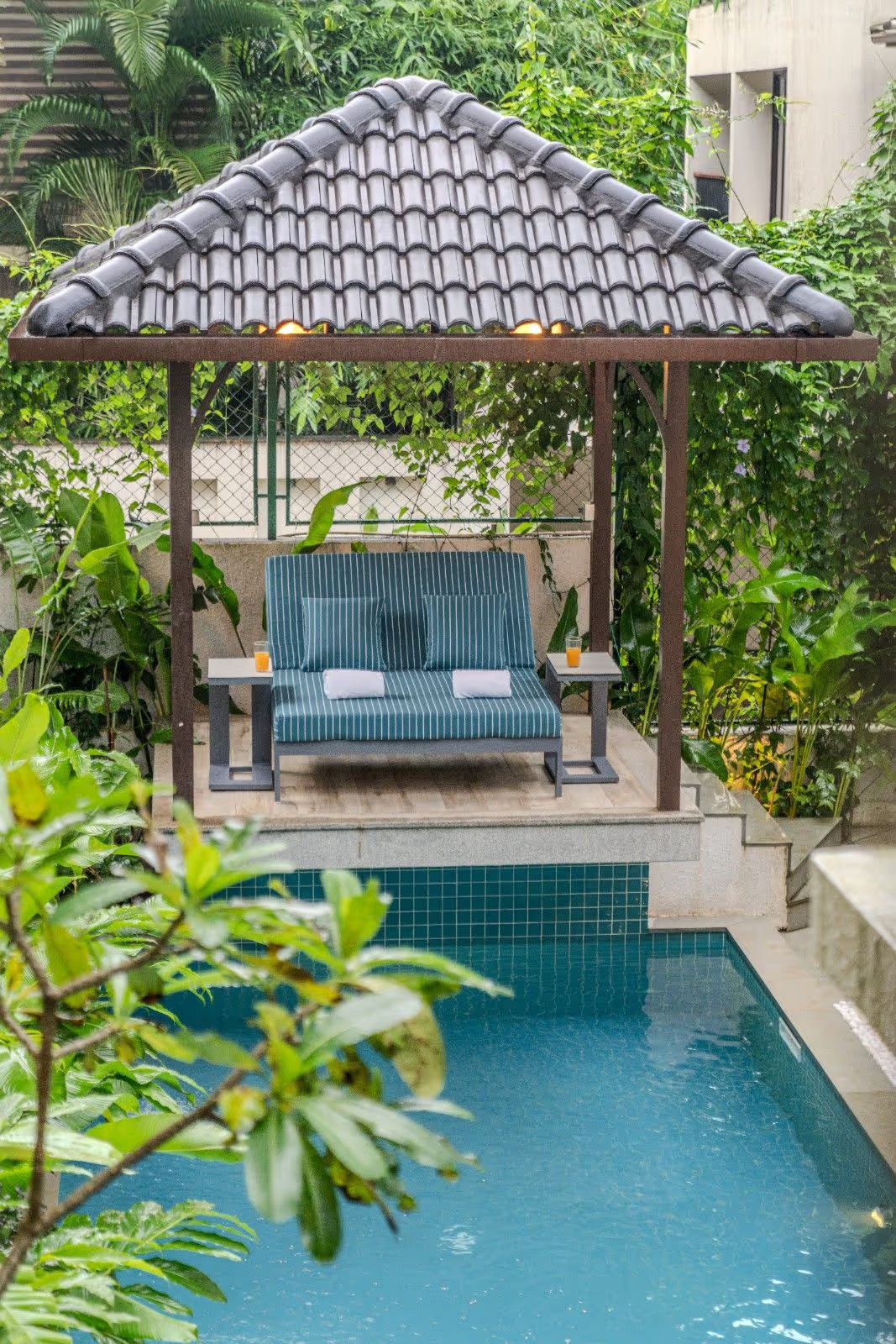
They say paradise isn't a place, it's a feeling and in Arpora, Goa, that feeling comes alive through serene landscapes, luxurious living, and an unmatched sense of exclusivity.
Something interesting is happening in North Goa's property market. While the crowds chase Calangute and Baga, India's most discerning buyers founders, CXOs, NRIs, and family offices are quietly writing cheques in a village most tourists only pass through on their way to a Saturday night market. Arpora has become the address of choice for luxury villas in Goa, and it's not an accident.
This guide unpacks exactly why: what makes Arpora different, what the numbers say, what returns to realistically expect, and what to verify before you buy.
Where Is Arpora, and Why Does Its Location Matter So Much?
Arpora sits in the Bardez taluka of North Goa, tucked between Baga and Anjuna, on gently rolling hills overlooking paddy fields and palm groves. Geographically, it occupies what property people call the "golden middle" the point from which everything worth reaching is reachable, without living inside any of it.
From Arpora, you're minutes from Baga and Calangute for dining and nightlife, a short drive from Anjuna and Vagator for the creative, bohemian side of Goa, and close to Assagao's boutique restaurant scene. The famous Saturday Night Market is on your doorstep. Yet Arpora itself stays green, elevated, and quiet hills instead of highway noise, birdsong instead of beach shacks.
For a high-net-worth buyer, this matters more than it might sound. The single biggest complaint about North Goa's most famous addresses is that success ruined them: traffic, overdevelopment, and crowds have eroded exactly the calm people moved there to find. Arpora offers proximity to all of it while remaining insulated from the worst of it. You get the access without the compromise.
What Makes Arpora Different From the Rest of North Goa
Every part of Goa attracts a different buyer. Here's how the map actually breaks down:
Arpora's position is distinctive: it's the only pocket that combines elevation, privacy, and centrality at once. Hills mean views and lower density. Centrality means you're never more than a short drive from what you want. Privacy means the thing HNIs actually pay for not being seen.
Why HNIs Are Choosing Arpora: The Lifestyle Case
Privacy Is the Real Luxury
At a certain level of wealth, luxury stops meaning "more" and starts meaning "undisturbed." A villa on an Arpora hillside gated, walled, with a private pool and no shared walls delivers something a beachfront apartment never can: the ability to be completely unobserved. For public-facing founders and executives, that's not a nice-to-have. It's the entire point.
Space to Actually Live
Luxury villas in Arpora are built for how HNI families genuinely use a second home: multi-generational stays, extended remote-work stretches, hosting friends and business partners for long weekends. That requires 4 and 5 bedrooms, independent access, open living volumes, outdoor entertaining space, and staff support not a compact holiday flat.
The Indoor-Outdoor Life Goa Was Built For
Goa's climate rewards villa living in a way apartments simply can't access. Private pools, terraces, gardens, and covered verandas turn the outdoors into your primary living space for most of the year. It's the reason villas not apartments remain the preferred luxury asset class in Goa.
A Community, Not a Resort
Arpora retains a genuine village character: local feasts, neighbourhood markets, and the rhythms of a real Goan community. HNIs increasingly want authenticity, not a sanitised gated bubble. Arpora gives you roots and privacy simultaneously.
Why HNIs Are Choosing Arpora: The Investment Case
Lifestyle gets buyers to Goa. Numbers get them to sign.
Appreciation That Outpaces Metros
North Goa villa prices rose 16% year-on-year in 2024 and prime pockets have delivered roughly 15–20% capital growth over recent three-year periods, outperforming many metropolitan neighbourhoods. For an asset class that also pays you rent and that you can personally enjoy, that's a rare combination.
Land Is the Asset
A villa buyer owns the land outright, not an undivided share of it. In a market where coastal land supply is structurally constrained and Arpora's hillside plots especially so land ownership is what drives long-term appreciation. Buildings age; well-located Goan land does not stop being scarce.
Rental Yields That Justify the Asset
Well-located luxury villas in Goa can generate 8–12% annual rental yields through holiday lettings and corporate leases. Peak season (October–March) commands dramatic premiums, and Arpora's proximity to Baga, Anjuna, and the Saturday Night Market makes it one of the most lettable addresses in North Goa. A professionally managed villa can substantially offset and in strong years exceed its own carrying costs.
Scarcity Is Structural
Arpora's hillside land is finite, and quality luxury inventory is thin. Unlike commodity apartment stock, there is no mechanism to manufacture more premium Arpora villa plots. Scarcity is what protects value on the way out.
Tax and Ownership Efficiency
Villas held for business or rental use open real planning options accelerated depreciation on business-purpose buildings, deductibility of maintenance and management costs, and cleaner accounting under corporate ownership. Structure matters, and it's worth taking advice on: the difference between individual and corporate ownership can meaningfully change the after-tax return.
Who Is Actually Buying in Arpora?
The buyer profile has shifted sharply in recent years:
- Founders and CXOs: buying a genuine second base for remote-work stretches, not a two-week-a-year holiday home.
- NRIs returning capital to India: as European property markets stagnate under high rates and slow appreciation, Goa's yields and growth look increasingly compelling.
- Corporates: acquiring villas as guesthouses, client-hosting assets, and employee-retreat perks, with the tax efficiencies that structure allows.
- Family offices: treating premium Goan land as a diversification play: a tangible, appreciating asset uncorrelated with equity markets.
What unites them is that none are buying emotionally. They're buying an asset that happens to be beautiful.
Estelliia by Ashray Developers: Luxury Villas in Arpora
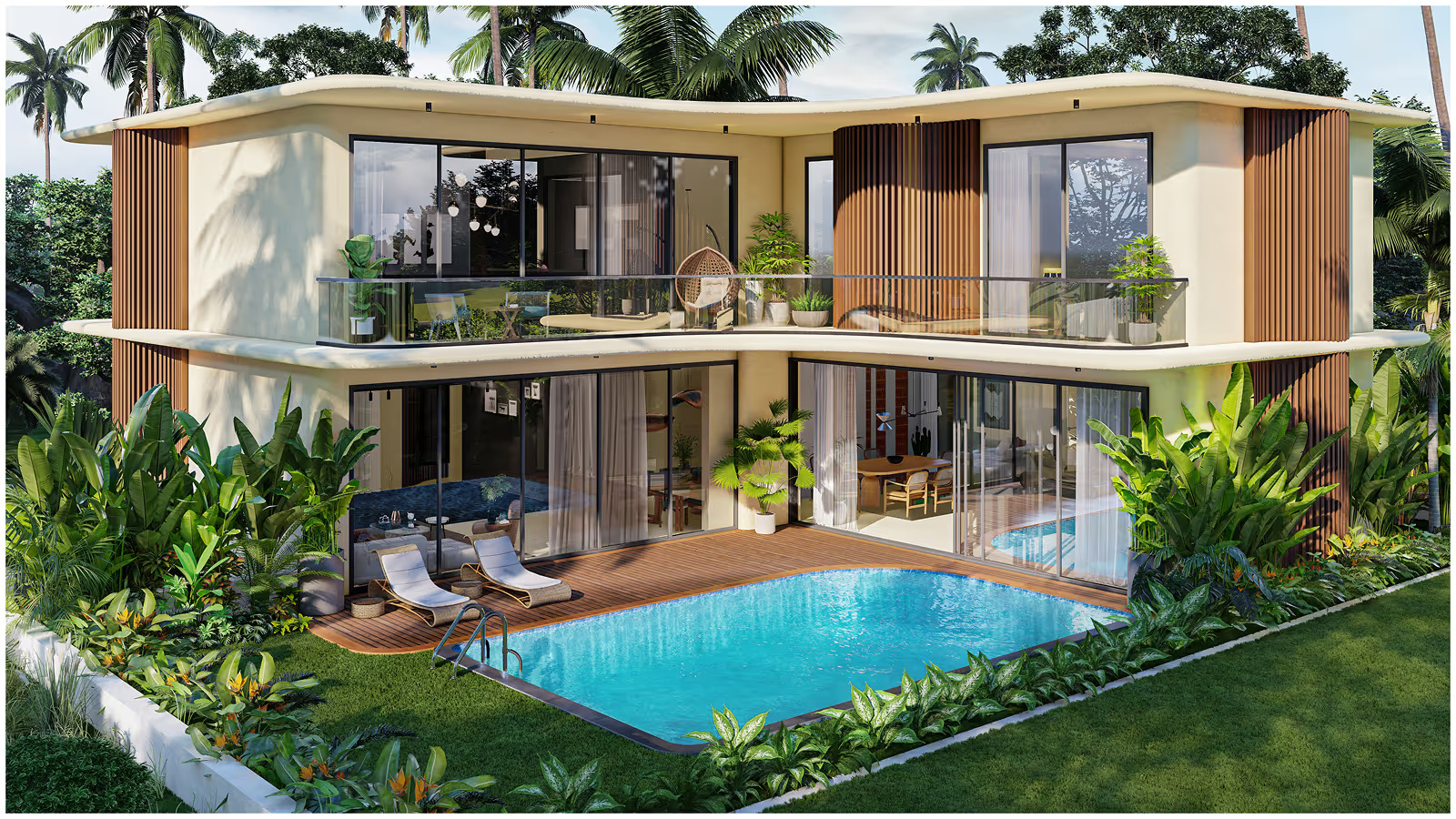
For buyers who want Arpora done properly, Estelliia is built precisely for this profile a limited collection of fifteen high-end 4 and 5 BHK villas in the heart of Arpora.
What Defines Estelliia:
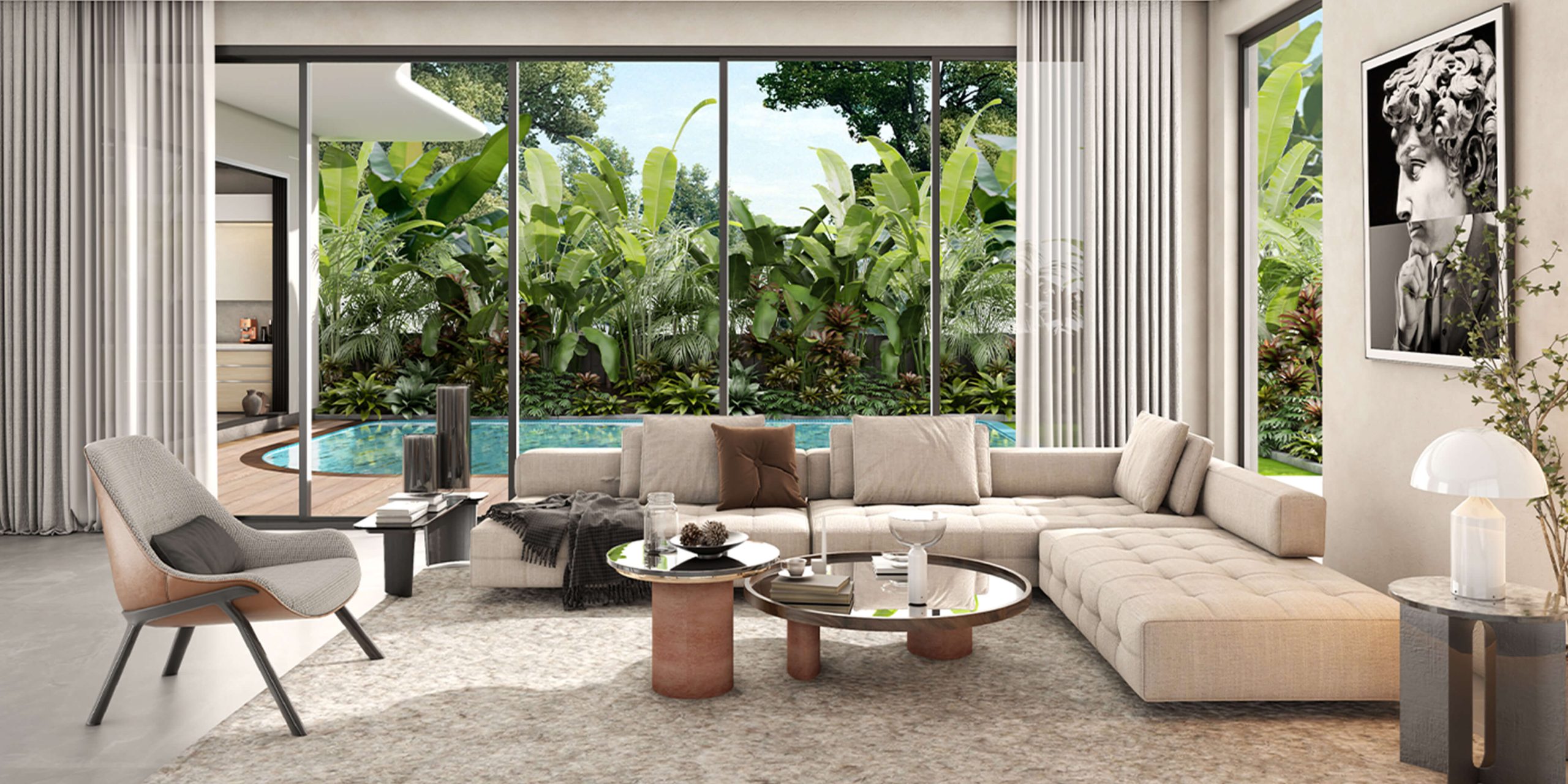
- Private swimming pools for every villa - complete privacy, no shared amenities
- Lavish interiors and contemporary kitchens finished to genuine luxury standards
- Generous 4 & 5 BHK layouts designed for multi-generational stays and hosting
- 24/7 security with CCTV surveillance and full power backup
- Gym and wellness facilities on site
- A central Arpora position - minutes from Baga, Anjuna, Assagao and the Saturday Night Market
Why it works as an investment: low density (only fifteen villas), a scarce hillside location, and specification that holds value. These are exactly the traits that command rental premiums and protect resale and with only a handful of units remaining, the scarcity is not a marketing line.
The Infrastructure Story Behind Arpora's Growth
Appreciation doesn't happen by sentiment it follows infrastructure, and North Goa's is being rebuilt around Arpora's doorstep.
The Mopa (Manohar International) Airport has fundamentally changed North Goa's arithmetic. For decades, every arrival meant a long haul from Dabolim in the south. Mopa places North Goa's villages within a comfortable drive of an international terminal collapsing travel friction for exactly the buyers who value their time most, and widening the pool of weekenders, NRIs, and international guests who can realistically use (and rent) a home here.
Add to that ongoing highway and arterial road upgrades, improving power and water reliability, and the steady arrival of the hospitality, wellness, and dining brands that follow affluence. Goa now draws more than 8 million visitors annually, sustaining a rental market that simply doesn't exist in most Indian second-home destinations.
The point for an investor is timing. Infrastructure gains price in gradually, not instantly. Arpora is capturing that lift while it's still being built which is a materially different proposition from buying into a market where the story is already fully told.
Turning Your Villa Into an Income Asset
The gap between a villa that earns 4% and one that earns 12% is rarely the property. It's the operation.
Professional management is the difference. A managed villa is listed, priced dynamically across seasons, photographed properly, cleaned and turned over between guests, and maintained continuously including through monsoon, when neglected properties quietly deteriorate. A villa left to an informal caretaker arrangement will underperform on every one of those dimensions.
Season shapes everything. Peak season runs October to March, when North Goa villas command their highest rates and near-full occupancy. The shoulder and monsoon months are where strategy matters corporate leases, longer remote-work stays, and wellness or retreat bookings can convert dead months into steady income.
Specification drives rate. Private pools, genuine 4–5 bedroom capacity, quality interiors, reliable power backup, and security aren't just lifestyle features they're the specific attributes that let a villa command premium nightly rates and attract the guest profile you actually want.
Location decides occupancy. This is where Arpora earns its premium: guests want to be near Baga, Anjuna, Calangute and the Saturday Night Market without staying inside the noise. That's precisely Arpora's position and precisely why its villas let so consistently.
How the Buying Process Works
For most HNI buyers, the path is straightforward when it's run properly:
- Shortlist and view. Visit in person. Photographs flatter; hillside orientation, privacy, breeze, and approach roads only reveal themselves on site.
- Commercial agreement. Agree price, payment schedule, specification, and handover timeline in writing.
- Legal diligence. Title search, RERA verification, CRZ confirmation, and encumbrance check through your own lawyer, not the seller's.
- Structure the purchase. Decide individual versus corporate ownership before documentation, and route NRI funds through NRE/NRO accounts.
- Registration. Pay stamp duty and registration charges and register the sale deed at the sub-registrar's office. A registered Power of Attorney can handle this if you can't attend.
- Handover and management. Snag the property, then appoint your caretaker or management partner before you leave.
What to Verify Before You Buy a Luxury Villa in Goa
Serious money does serious diligence. Before committing to any Goa villa Estelliia included confirm:
- RERA registration. Verify the project's registration number on the Goa RERA portal against the developer's documentation. Non-negotiable.
- Clear, marketable title. Insist on a full title search. Title disputes are the single most common source of Goan property litigation.
- CRZ compliance. Coastal Regulation Zone rules restrict construction near the coast. Confirm the plot's zone status before any payment.
- Developer track record. Review completed, delivered projects not renders. Ask to visit handed-over homes and speak to existing owners.
- Total cost, not headline price. Budget stamp duty (roughly 4–6% in Goa), registration (~3%), and GST (5% on under-construction; none on ready or resale).
- Management plan. A villa you don't live in needs a caretaker or professional management for security, maintenance, and to run lettings while you're away.
- Ownership structure. Individual versus corporate ownership materially affects tax treatment. Take advice before you sign, not after.
Tax and regulatory positions change with each Union Budget confirm current rules with a qualified CA or advisor.
Common Questions HNI Buyers Ask
1. Is Arpora better than Anjuna or Assagao?
It depends on what you're optimising for. Anjuna offers bohemian energy and cliff-side drama; Assagao offers boutique dining and heritage charm. Arpora offers what neither fully does: hills, privacy, and central access to all of them. For buyers prioritising discretion and long-term value, Arpora usually wins.
2. Will a villa here actually rent well?
Yes, Arpora's central position between Baga, Calangute and Anjuna, plus the Saturday Night Market, makes it highly lettable. The caveat is that yields depend on professional management, quality of finish, and peak-season occupancy. A well-run luxury villa can achieve 8–12% annually; a poorly managed one won't.
3. Is now the right time, or has the market peaked?
North Goa villa prices rose 16% YoY in 2024, and the structural drivers constrained coastal land, the Mopa (Manohar International) Airport, sustained tourism, and remote-work demand are still building rather than fading. Premium, low-density stock in scarce locations is where the runway remains longest.
Arpora Is Where Goa Stops Being a Holiday and Starts Being an Asset
The buyers moving into Arpora aren't chasing a postcard. They're acquiring something genuinely scarce: privacy, elevation, and central access, on land that isn't being made any more of in a market growing 16% a year.
Estelliia distils that opportunity into fifteen villas. Only a handful of luxury units remain.
If you're considering luxury villas in Goa for sale and want an address that rewards you in both lifestyle and returns, Arpora deserves your shortlist and Estelliia deserves a viewing.
FAQs
1. Why are HNIs choosing Arpora for their Goa villas?
Arpora uniquely combines hillside privacy and elevation with central access to Baga, Anjuna, Assagao and Calangute. It offers the exclusivity HNIs want without the congestion of Goa's most commercialised beach hubs, alongside strong appreciation and rental demand.
2. Where is Arpora in Goa?
Arpora is a village in the Bardez taluka of North Goa, set on hills between Baga and Anjuna, and home to the well-known Saturday Night Market.
3. How much have villa prices in North Goa risen?
North Goa villa prices rose 16% year-on-year in 2024, with prime pockets delivering roughly 15–20% capital growth over recent three-year periods.
4. What rental yield can a luxury villa in Arpora generate?
Well-located, professionally managed luxury villas in Goa can achieve 8–12% annual rental yields, with peak season (October–March) commanding significant premiums.
5. What is Estelliia by Ashray Developers?
Estelliia is a limited collection of fifteen high-end 4 and 5 BHK luxury villas in Arpora, North Goa each with a private pool, lavish interiors, contemporary kitchens, gym access, 24/7 CCTV security, and power backup.
6. Can NRIs buy a villa in Arpora, Goa?
Yes. Under FEMA/RBI rules, NRIs and OCIs can buy residential property in India, including Goa, paying through NRE/NRO/FCNR accounts. Agricultural land, plantations, and farmhouses are excluded without specific RBI approval.
7. What should I check before buying a luxury villa in Goa?
Verify RERA registration, clear title, and CRZ compliance; review the developer's delivery record; budget stamp duty, registration and GST beyond the headline price; and arrange a caretaker or management plan for periods you're away.
8. Is a villa a better investment than an apartment in Goa?
Generally yes for long-horizon buyers villas include outright land ownership, which drives appreciation, and command premium holiday rents. Apartments offer easier liquidity and hands-off maintenance but slower growth as buildings age.