

.svg)






Yes, buying an under-construction property in Goa is a smart move for most buyers. You pay less than a ready home, spread payments over the build, and gain more as prices rise. RERA Goa rules have applied since 2017, so your money and title stay protected. The main risk is delay, and you cut that risk by picking a builder with a proven record.
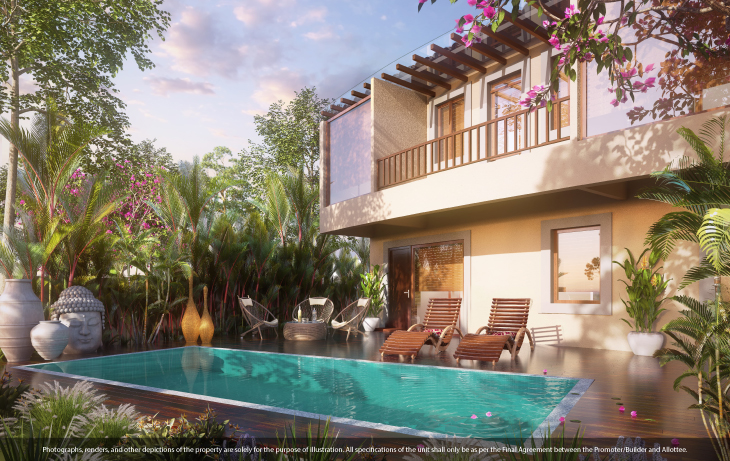
You wake up to your hot cuppa amidst the lush green fields of Goa far away from the hustle and bustle of the city – just you, your loved one, and some quiet time by your private pool deck, not too far away from the beach. If buying that holiday/second home in Goa is one of those dreams you cherish, you’re probably already looking out for options. And one of the common dilemmas that must have crossed your mind is whether you should invest in a ready-to-move-in or an under-construction property for sale in Goa.
When it comes to buying that perfect dream home, you’re not wrong to hesitate while you’re still weighing out the pros and cons. But the truth is that despite the general skepticism, if you have time on your side and if you make informed choices, buying an under-construction villa or apartment in Goa could be one of the best decisions you could make.
Why Buyers Ask This Question
Goa draws buyers who want a second home, a rental income, or both. Most start by comparing ready homes with projects still being built. The choice shapes your cost, your risk, and your return.
This guide walks through both sides. It covers price, payment plans, RERA Goa rules, and the checks that keep you safe.
1. Lower Cost
Any under-construction property for sale in Goa costs less than a ready-to-move-in home. The reason is simple. Time is money.
You buy early, so you buy cheaper. The builder gets funds during the build, and you get a lower rate for waiting. That gap is the single biggest reason buyers pick projects still under construction.
Ready homes rarely come with offers. Projects still being built often do. You can ask about parking, maintenance, or fittings before you sign.
Higher Appreciation & Better Returns
Property values climb once construction ends. A home you booked early is worth more on handover day.
That gain works two ways. You can sell later at a higher rate, or hold and earn rent. Goa's steady flow of visitors keeps rental demand strong through the season.
Buying early puts you at the start of that curve, not the end.
Payment Flexibility
This is where an under-construction property really helps your cash flow.
You pay a small booking amount first, usually about 10 to 15 percent. The rest follows through EMIs or a construction-linked plan. Payments arrive in stages as the building goes up.
A ready home works the other way. You need the full amount at once. Home loans are available for both, and banks fund approved projects without trouble.
How Construction-Linked Payment Plans Work
Most buyers use a construction-linked plan. Your payments follow the building work, stage by stage.
A typical plan runs like this:
- You pay the booking amount and sign the agreement.
- The next payment falls due once the foundation is done.
- More payments follow as each floor goes up.
- Later stages cover walls, plaster, flooring, and fittings.
- A final share is due at handover.
This suits buyers who earn monthly rather than hold a large lump sum. Your bank releases loan money in the same order. You only pay interest on the amount released so far, not the full loan.
Ask for the payment schedule in writing before you book. Check that each stage is clear and easy to verify.
Costs Beyond The Base Price
The quoted rate is not your final cost. Plan for these extras so nothing catches you out.
- Stamp duty and registration. Both are paid when you register the sale deed.
- GST. This applies to homes still under construction. Ready and resale homes are exempt.
- Parking and clubhouse charges. Some builders bill these apart from the base rate.
- Maintenance deposit. Often collected before handover.
- Legal fees. Your own lawyer for the title check is money well spent.
Ask the builder for a full cost sheet. A clear breakdown early saves arguments later.
RERA Goa: Your Legal Shield
RERA stands for the Real Estate Regulation and Development Act. Goa is one such state where RERA rules apply, and they have since 2017.
RERA Goa protects you in clear ways:
- Builders must register the project before they sell.
- Land titles and approvals get checked.
- A share of your money sits in escrow, so it funds your project only.
- Builders face penalties if they miss the promised date.
- Advertised plans and specs must match what gets built.
Always check the RERA number before you pay. You can verify it on the Goa RERA portal.
You Can Shape The Home
An early booking gives you a say in the finish. Many builders allow changes to tiles, fittings, paint, or small layout details.
A ready home gives you what already exists. If you want the place to suit your taste, buying during construction is the better route.
Under Construction vs Ready To Move
Read More: Villa or Apartment for your Second Home
The Risks, And How To Handle Them
Buying early carries real concerns. Delivery can slip. Disputes happen. The finish may differ from the plan. Most of these problems trace back to avoidable errors. Our list of the mistakes property buyers make shows what to watch for.
You reduce all three by choosing well. Vet the developer before anything else.
Check these points:
- RERA registration. Confirm the number on the Goa RERA portal.
- Delivery record. Ask how many projects the builder has handed over, and when.
- Site visit. Walk a completed project. Speak to owners living there.
- Clear title. Get a proper title search done by your own lawyer.
- CRZ status. Coastal rules restrict building near the sea. Confirm the zone.
- Written agreement. Get the specs, plan, and handover date in writing.
A good builder makes most of this easy. A reluctant one tells you what you need to know. Use our first-time property buyer checklist alongside this list to verify each point before you sign.
Documents to Collect Before You Pay
Ask for these papers before any money leaves your account. A good builder shares them without fuss.
- RERA registration certificate for the project
- Title deed and a title search report
- Approved building plan from the local authority
- Commencement certificate
- CRZ clearance where the plot sits near the coast
- Encumbrance certificate showing no loans on the land
- Draft agreement for sale with the full payment schedule
Have your lawyer read every one. Do not rely on a summary from the seller.
From Booking to Handover
Knowing the order of events helps you plan. Here is how a purchase usually runs.
- Shortlist and visit. See the site and a finished project by the same builder.
- Check papers. Run the RERA number and get the title search done.
- Book. Pay the booking amount and get a written receipt.
- Sign the agreement. Register it and pay stamp duty.
- Arrange the loan. The bank checks the project and approves the plan.
- Pay by stage. Release money as each stage finishes.
- Inspect. Walk the home before you accept it.
- Take possession. Collect the completion certificate and keys.
Common Mistakes Buyers Make
Most problems trace back to a handful of errors. Avoid these and you avoid the worst outcomes.
- Paying before checking RERA. Verify the number first, every time.
- Skipping the title search. Title disputes are the top cause of property cases in Goa.
- Trusting brochures. Renders are marketing. The agreement is the promise.
- Ignoring CRZ rules. Coastal restrictions can stop a build near the sea.
- Choosing on price alone. A cheap rate from an untested builder costs more later.
- Missing the handover date clause. Make sure the agreement states it plainly.
Who Should Buy Under Construction
This route suits some buyers better than others.
It works well if you:
- Want a lower entry rate
- Prefer to pay in stages
- Can wait for possession
- Plan to hold the home for years
- Want a say in the finish
It works less well if you:
- Need a home right now
- Want rent from day one
- Cannot carry rent and EMIs together
- Prefer to see the exact home before paying
Be honest about your timeline. That answer decides the choice for you.
Read More: Benefits of Owning a Second Home in Goa
Why Buyers Choose Ashray Developers
Ashray Developers has built in Goa since 1995. That record matters most when you buy a home still being built.
Our projects are RERA compliant, and we hand over on the terms we agree. We also support owners after possession with rental management and concierge services. Your home stays cared for when you are away, and it earns while you are not there.
Conclusion
So, should you buy an under-construction property in Goa? For most buyers, yes.
You pay less, you spread the cost, you gain as values rise, and RERA Goa keeps your money safe. The one real risk is delay, and the right builder removes most of it.
Check the RERA number, review the track record, and read the agreement. Do that, and buying property in Goa during construction becomes the smarter way in.
Ready to look at options? Talk to Ashray Developers about our current projects in Goa.
FAQs
1. What happens if the builder delays my project?
RERA Goa holds the builder responsible. You may claim interest or compensation for the delay. Registered projects must follow the promised timeline.
2, Can I get a home loan for an under-construction property in Goa?
Yes. Banks fund approved, RERA registered projects. Many offer construction-linked plans, so payments release as work moves ahead.
3. Can I customise an under-construction home?
Often yes. Builders may allow changes to fittings, tiles, paint, and some layout details during the build. Ask before you book.
4. Is RERA applicable in Goa?
Yes. RERA rules apply in Goa since 2017. Builders must register projects, keep funds in escrow, and meet agreed timelines.
5. How do I check if a Goa project is RERA registered?
Ask the builder for the RERA number, then verify it on the Goa RERA portal. Confirm it matches the project documents.
6. Is under construction or ready to move better in Goa?
Under construction suits buyers who want lower cost, staged payments, and higher gains. Ready to move suits buyers who need the home now.
7. Do I pay GST on an under-construction property?
Yes, GST applies to under-construction homes. Ready-to-move and resale homes do not attract GST.
8. What documents should I check before booking?
Ask for the RERA certificate, title deed, and title search report. Also collect the approved plan, commencement certificate, CRZ clearance, and encumbrance certificate.
9. How does a construction-linked payment plan work?
You pay in stages as the build moves ahead. Money releases after the foundation, each floor, the finishing work, and handover.
10. How long does an under-construction project take in Goa?
Timelines vary by project size and approvals. Your agreement must state the handover date, and RERA Goa holds the builder to it.
11. Can NRIs buy under-construction property in Goa?
Yes. NRIs and OCI holders can buy homes in Goa. Pay through NRE, NRO, or FCNR accounts. Farm land and farmhouses need approval.